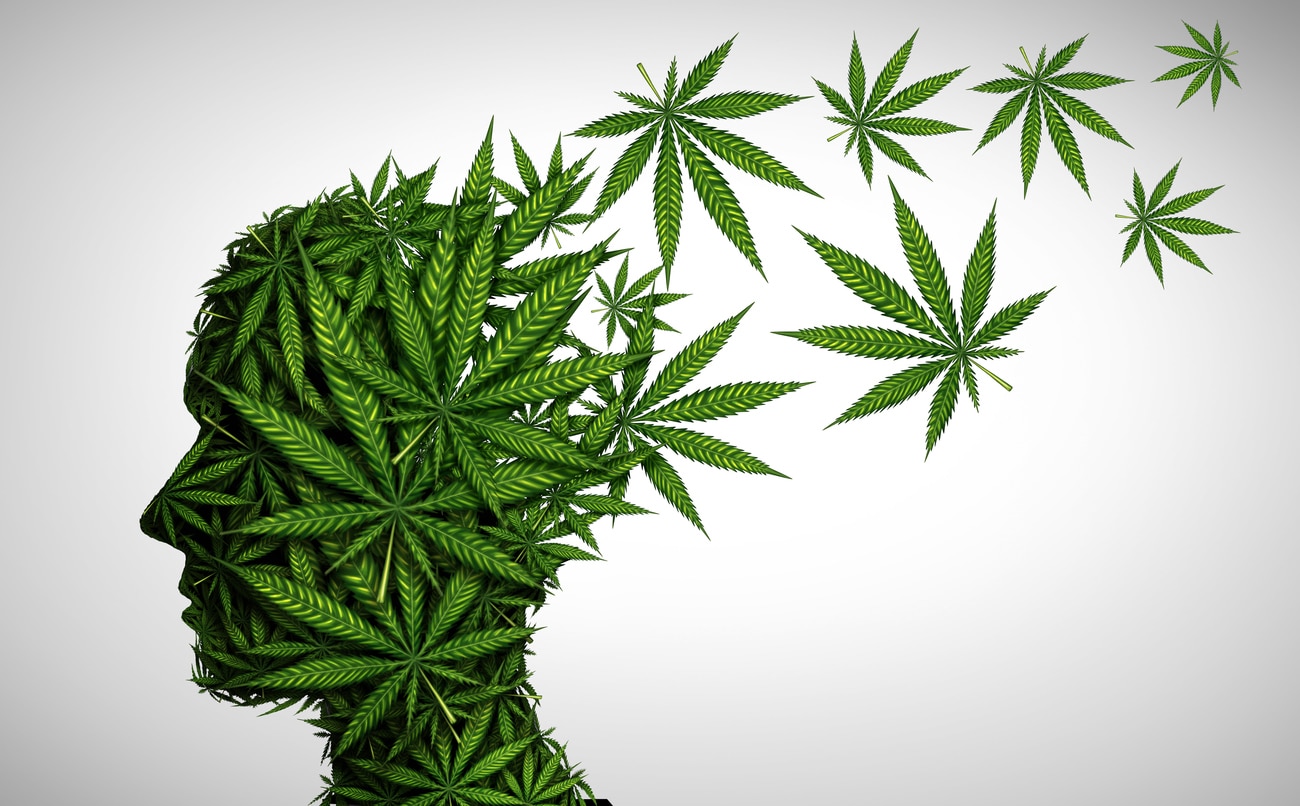
Cannabis and mental health have a complicated relationship. Some people swear a low-dose gummy helps quiet the mental circus. Others take one too many hits, and suddenly their couch feels like it’s judging them.
So, what’s the truth?
The honest answer: cannabis may support relaxation, sleep, and stress relief for some people, but it can also worsen anxiety, mood symptoms, or paranoia for others. The difference often comes down to the cannabinoid, the dose, the product type, your personal brain chemistry, and how often you use it.
This guide breaks down the potential benefits, risks, and responsible ways to approach cannabis for mental wellness—without pretending cannabis is a magical cure-all wrapped in rolling paper.
Quick Answer: Can Cannabis Help Mental Health?
Cannabis may support mental wellness for some adults, but it depends on the person, product, dose, and reason for use.
Here’s the simple version:
- Cannabis may help some people feel calmer in the short term, especially with low-dose, CBD-forward, or balanced products.
- Some people use cannabis for sleep or stress relief, but results can vary a lot from person to person.
- Cannabis is not an approved treatment for anxiety, depression, PTSD, or most mental health conditions.
- High-THC products may increase risks for some people, especially with frequent use.
- People with a personal or family history of psychosis, schizophrenia, bipolar disorder, or substance use disorder should speak with a healthcare professional before indulging.
- Research is still evolving. The National Center for Complementary and Integrative Health notes that cannabis research for many conditions is still early, while the CDC warns that cannabis use may be associated with certain mental health risks in some populations (more on this below).
How Cannabis Interacts With Mood
Cannabis contains hundreds of chemical compounds, including cannabinoids and terpenes. The most famous cannabinoids are THC and CBD, but there are more than 100 others, including CBG, CBN, CBC, and THCV. These compounds interact with the body’s endocannabinoid system, which plays a role in mood, pain, appetite, sleep, memory, and stress regulation.
That’s one reason cannabis can feel so different depending on the product. A high-THC vape, a CBD tincture, a CBG gummy, and a sleepy CBN edible may all come from the cannabis world, but they are not giving the same assignment to your nervous system.
Think of cannabinoids like instruments in a band:
- THC is the loud lead guitarist.
- CBD is the calm friend adjusting the volume.
- CBG is the newer indie artist everyone is starting to notice.
- CBN is the one already wearing pajamas by 8 p.m.
- Terpenes are the lighting, mood, and stage fog.
Together, they shape the experience.
Does Weed Help With Anxiety?
The question does weed help with anxiety gets searched a lot, and for good reason. Anxiety is common, cannabis is accessible in legal states like Michigan, and plenty of people are looking for something that helps them unclench their jaw before dinner.
Some evidence suggests cannabis or cannabinoids may reduce anxiety in certain situations. NCCIH notes that a small amount of evidence from human studies suggests cannabis or cannabinoids might help reduce anxiety, including one small study where people with social anxiety had less anxiety during a simulated public speaking test after taking CBD compared with a placebo.
But here’s the plot twist: THC can be calming at lower doses for some people and anxiety-provoking at higher doses for others. That’s why the same product that makes one person relaxed and giggly may make another person question every text they have ever sent.
THC vs CBD for Anxiety
When comparing THC vs CBD for anxiety, CBD generally has a stronger reputation for calm without intoxication. A 2024 review on CBD and anxiety found growing interest in CBD’s potential anti-anxiety effects, though researchers continue to emphasize the need for more controlled clinical trials and clearer dosing standards.
THC may help some people relax, but it can also trigger racing thoughts, paranoia, or panic, especially at higher doses or in people who are sensitive to THC.
So if anxiety is your main concern, CBD-dominant products, balanced THC: CBD ratios, or very low-dose THC products may be a better starting point than grabbing the strongest edible on the shelf and hoping for enlightenment.
Spoiler: enlightenment rarely begins with “I accidentally took a 100mg edible.”
What About Cannabis & Depression?
Depression is where the conversation gets even more delicate.
Some people report that cannabis helps them temporarily feel lighter, more engaged, or less emotionally stuck. Others find that frequent use makes motivation, mood, or sleep patterns worse over time. The CDC states that cannabis use is associated with depression and social anxiety. However, the relationship is complex, and researchers are still working to understand causes, effects, and overlapping risk factors.
Recent cannabis and depression studies also show mixed results. A 2025 research review noted that clinical trial evidence remains insufficient to support cannabis as a treatment for anxiety and depression, even though some observational and real-world studies report symptom improvements among people using cannabis therapeutically.
Translation: Some people feel better in the moment, but cannabis should not replace therapy, medication, lifestyle support, or professional mental healthcare. If you’re experiencing depression, skip the dispensary and check in with your doctor first.
CBD: Calm Without the High
CBD is non-intoxicating, meaning it does not create the classic cannabis high associated with THC. Many people use CBD for relaxation, stress support, or sleep routines because it tends to feel more subtle.
That said, CBD is not risk-free. The FDA warns that CBD products may carry risks, including liver injury, drug interactions, changes in alertness, and other side effects, especially when used without medical supervision or alongside medications.
That does not mean CBD is “bad.” It means CBD deserves the same respect as any wellness product that interacts with your body. If you take prescriptions, have liver concerns, are pregnant, or are managing a mental health condition, talk with a healthcare professional before making CBD a daily habit.
CBG & Other Cannabinoids: The Newer Kids on the Mental Wellness Block
CBG, or cannabigerol, is often called the “mother cannabinoid” because it is a precursor to THC, CBD, and other cannabinoids. It is becoming popular in products aimed at focus, mood, and calm.
A 2024 double-blind, placebo-controlled study in Scientific Reports examined CBG’s acute effects on anxiety, stress, and mood. Researchers found some statistically significant effects on subjective anxiety and stress measures, and participants reported low intoxication ratings, but the study was small and early-stage.
So, is CBG promising? Yes.
Is it proven as a mental health treatment? Not yet.
Other cannabinoids, like CBN, are often marketed for sleep, while CBC and THCV are being studied for different potential effects. The science is exciting, but it is still developing. Cannabis research is kind of like a group project where everyone showed up late, but now some very smart people are finally taking notes.
Marijuana Mental Health Risks to Know
Now for the important safety talk. Not scary. Not dramatic. Just honest.
The biggest marijuana mental health risks tend to be linked to high-THC products, frequent use, early-age use, and personal vulnerability. The CDC reports that people who use cannabis are more likely to develop psychosis and long-lasting mental disorders, including schizophrenia, and that the association is stronger among people who begin using cannabis earlier and use it more frequently.
The CDC also notes that high-THC concentrates may deliver very high levels of THC, and researchers do not yet fully understand the consequences of newer high-potency products on the brain.
There is moderate evidence linking high-THC cannabis use among adolescents and young adults with continued use and future mental health symptoms or disorders.
Cannabis may not be the right fit, or may require extra caution, if you:
- Have a personal or family history of schizophrenia, psychosis, or bipolar disorder
- Experience panic attacks or paranoia from THC
- Are under 21
- Are pregnant or breastfeeding
- Take medications that interact with CBD or THC
- Have a history of substance use disorder
- Use cannabis to avoid dealing with worsening symptoms
If cannabis starts feeling less like support and more like something you need to get through the day, that is a sign to pause and talk with a professional.
Responsible Cannabis Tips Based on Symptoms
If You’re Feeling Anxious
Start with CBD-dominant or balanced products. Avoid high-dose THC, concentrates, and mystery edibles from someone’s cousin’s backpack. Choose a calm setting, start low, and give your body time.
If You’re Feeling Down
Be mindful of frequency. Occasional use may feel different than daily use. If cannabis makes you feel more withdrawn, foggy, or unmotivated, it may not be helping the way you hoped.
If You’re Having Trouble Sleeping
Look for lower-dose THC, CBD, or CBN products made for nighttime. Avoid using cannabis as your only sleep tool. Pair it with basics like dim lights, less screen time, and a consistent bedtime. Yes, boring sleep hygiene still works.
If THC Makes You Paranoid
Listen to that signal. Try lower THC, more CBD, or skip THC altogether. You do not have to “build tolerance” to something your body clearly does not enjoy.
If You’re New to Cannabis
Start low and go slow. A 2.5-5mg edible is plenty for many beginners. With smoking or vaping, take one small puff and wait.
When to Talk to a Healthcare Professional
Talk to a healthcare provider if you are using cannabis to manage ongoing anxiety, depression, PTSD, panic, insomnia, or mood swings. Also, talk to a professional if you are taking antidepressants, anti-anxiety medication, mood stabilizers, sleep medications, or other prescriptions.
That is not anti-cannabis. That is pro-you.
Still Have Questions? Mystic Cannabis Has Answers
Cannabis can be relaxing, enjoyable, and helpful for some adults, but mental health is personal. The best approach is to stay informed, start low, and choose products that match your goals instead of grabbing the strongest thing on the shelf and hoping for the best.
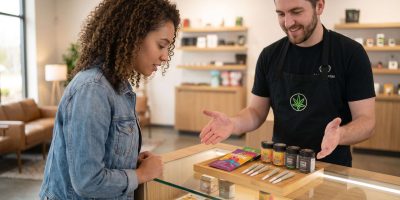
At Mystic Cannabis in Memphis, MI, our budtenders can help you compare options like CBD products, tinctures, edibles, flower, vapes, and concentrates so you feel confident about what you’re buying. We’ll walk you through potency, product types, and what may be a better fit for relaxation, sleep, or a calmer cannabis experience.