
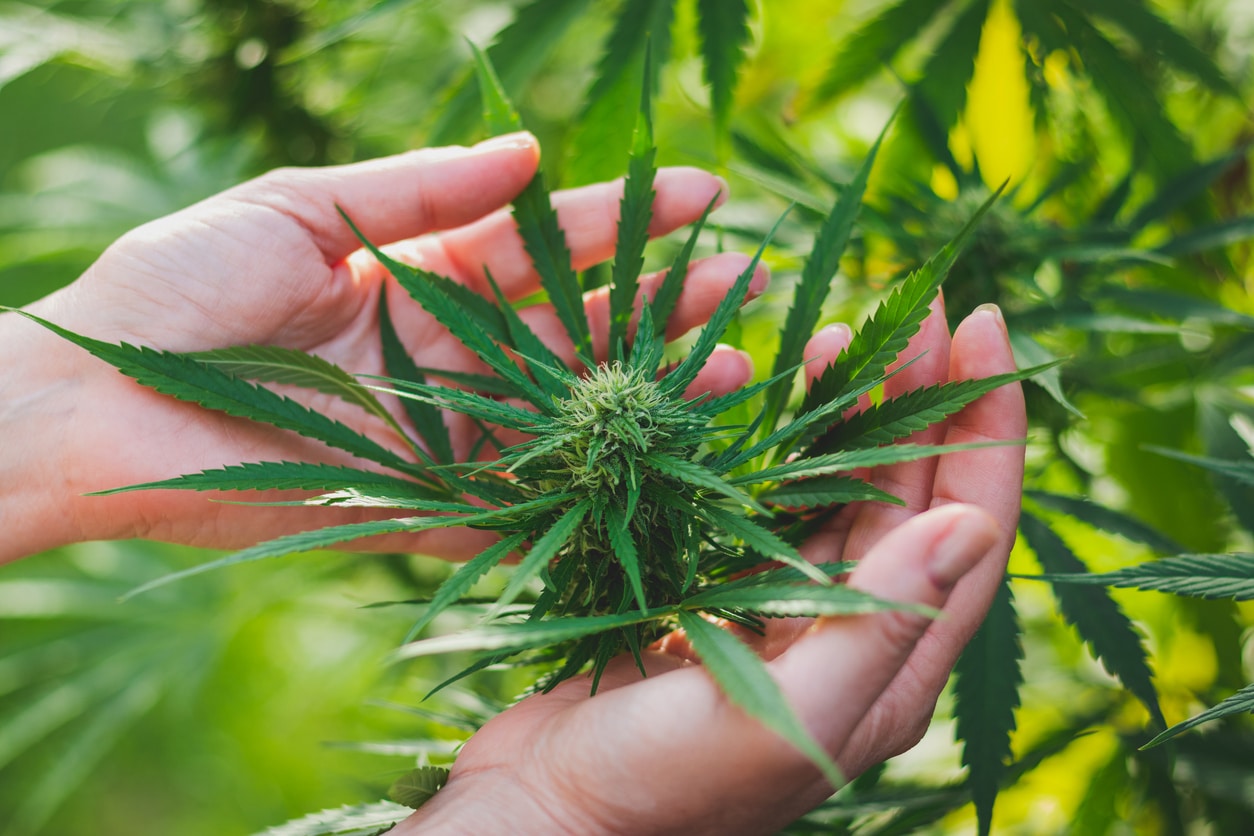
Growing your own cannabis at home sounds pretty dreamy, right? A little homegrown flower, a few happy plants, maybe a proud gardener moment where you whisper, Look at you go, little buddy, while misting the leaves.
But before you turn your spare room into a mini jungle, let’s talk rules.
Michigan is one of the more homegrown-friendly cannabis states, but “friendly” does not mean “anything goes.”
If you want to grow marijuana in Michigan legally, you’ll need to understand plant limits, security rules, possession guidelines, and the difference between indoor and outdoor growing. The good news? Once you know the basics, growing cannabis at home can be a rewarding, hands-on way to learn more about the plant you already love.
Let’s dig in. Pun absolutely intended.
Can You Legally Grow Cannabis at Home in Michigan?
Yes, adults 21 and older can legally grow cannabis at home in Michigan for personal use. Under the Michigan Regulation and Taxation of Marihuana Act, personal use includes possession of up to 2.5 ounces and cultivation of up to 12 plants at home.
So, if you’ve been wondering how many plants can I grow legally in MI, the answer is: up to 12 plants per household for adult-use cannabis. The key phrase here is per household, not per person. So if you and three roommates are all dreaming of separate cannabis gardens, slow your roll. The household limit is still 12 plants total.
Michigan Marijuana Growing Laws 2026: The Basics
The core Michigan marijuana growing laws 2026 are pretty straightforward:
Adults 21+ may grow up to 12 cannabis plants at home for personal use. Those plants must be kept in a secure, enclosed area and cannot be visible from a public place without binoculars, aircraft, or other visual aids.
In simpler words, your neighbor walking the dog should not be able to look over and see your plants waving hello from the backyard.
Michigan law also allows adults to possess up to 10 ounces of cannabis at a residence, and any amount over 2.5 ounces must be stored in a locked container or secure area.
Here’s a simple breakdown of Michigan’s weed-growing laws:
- You must be 21 or older.
- You can grow up to 12 plants per household.
- Plants must be locked, enclosed, and hidden from public view.
- Homegrown cannabis is for personal use.
- You cannot sell what you grow.
- You can gift cannabis to another adult within legal limits, but you cannot accept payment, trade, or “donations.”
Indoor vs. Outdoor Cannabis Growing: Which Is Better for Beginners?
Both indoor and outdoor growing can work in Michigan, but each has its own personality. Indoor growing is the organized friend with spreadsheets. Outdoor growing is the nature-loving friend who says, ‘Let’s just see what the sun does.’
Indoor Cannabis Growing in Michigan
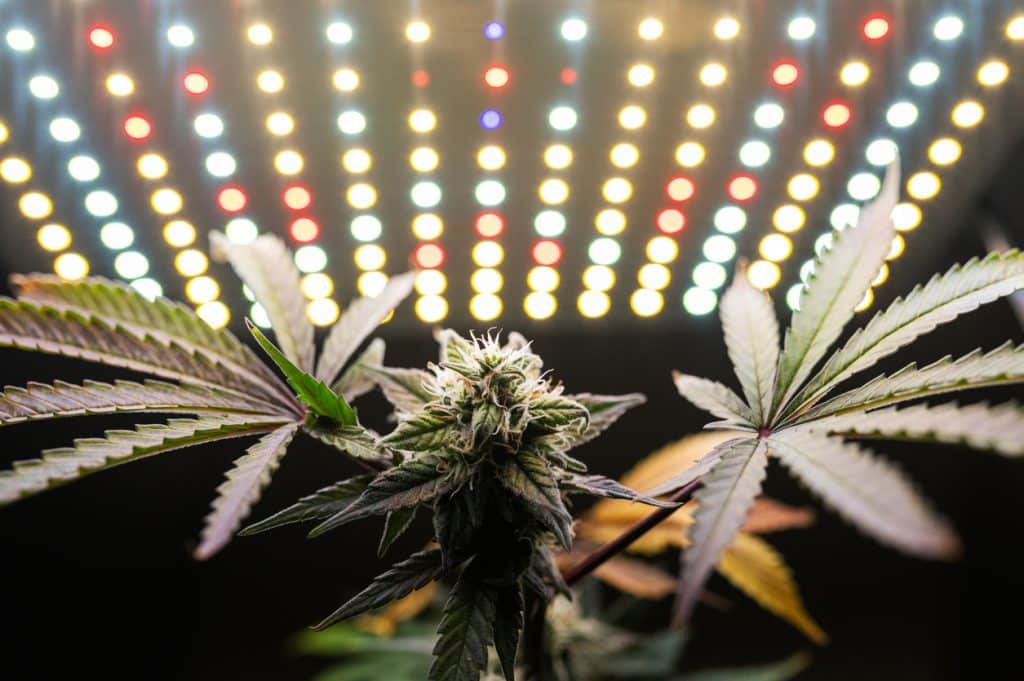
Indoor growing gives you more control over light, temperature, humidity, airflow, and privacy. That control can be a big advantage for beginners because cannabis plants are a little dramatic. Too much moisture? Drama. Not enough light? Drama. Weird temperature swings? Full botanical meltdown.
Indoor growing is especially helpful in Michigan because the weather can be unpredictable. One week feels like summer, the next feels like your tomatoes owe Mother Nature money.
Pros of indoor growing:
- More control over the plant environment
- Easier to keep plants locked and out of public view
- Year-round growing potential
- Fewer pests compared to outdoor grows
- Better control over smell with carbon filters
Cons of indoor growing:
- Higher startup cost
- Requires electricity for lights, fans, and ventilation
- Needs consistent monitoring
- Odor control matters, especially in shared living spaces
If you’re growing indoors, make sure your setup is secure and not accessible to minors, guests, or the public.
Outdoor Cannabis Growing in Michigan
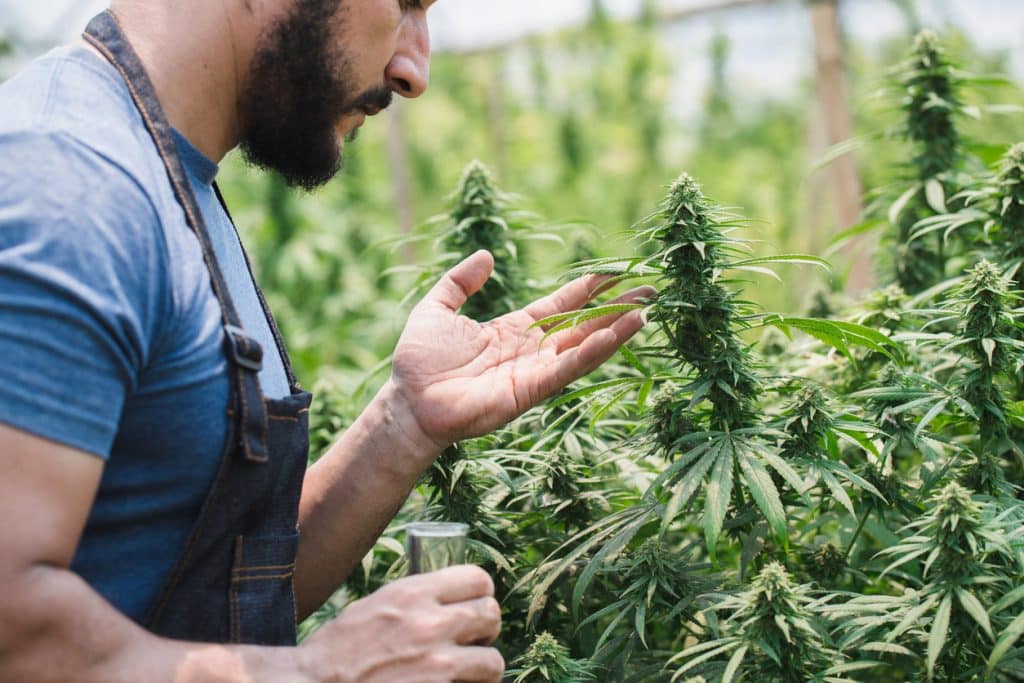
Outdoor growing uses natural sunlight, which cannabis plants absolutely love. It can be less expensive than indoor growing because you are not paying for grow lights or as much equipment. However, outdoor growing in Michigan requires careful planning because plants must still be enclosed, locked, and hidden from public view.
In other words, you can’t just toss a few plants next to the patio furniture and call it a garden.
Pros of outdoor growing:
- Lower equipment costs
- Natural sunlight can support strong plant growth
- More space for larger plants
- Great option for hands-on gardeners
Cons of outdoor growing:
- The weather is out of your control
- Pests and mold can become issues
- Plants must be secured and hidden
- Michigan’s growing season is limited
- Smell may travel farther than expected
Outdoor growing can be wonderful, but it takes planning. A locked greenhouse, secured shed, or fenced enclosure may be necessary depending on your property layout.
Starter Equipment for Growing Cannabis at Home
You do not need to build a NASA-grade grow lab for your first plants. In fact, starting simple is usually better. The goal is to learn, not accidentally create a humidity-powered science experiment in your closet.
For a beginner indoor grow, consider:
- Grow tent: Helps control light, smell, and privacy.
- LED grow light: Energy-efficient and beginner-friendly.
- Timer: Keeps your light schedule consistent.
- Small fan: Helps airflow and strengthens plant stems.
- Carbon filter: Helps manage odor.
- Fabric pots: Support drainage and healthy roots.
- Quality soil: Choose cannabis-friendly soil with good aeration.
- pH meter: Helps monitor water quality.
- Nutrients: Start with beginner-friendly cannabis nutrients.
- Pruning shears: For trimming and plant maintenance.
For outdoor growing, you may need:
- Lockable greenhouse or secure enclosure
- Large pots or raised beds
- Organic soil or compost
- Pest control tools
- Plant ties or support stakes
- Watering can or drip irrigation
- A privacy-conscious location
Remember: cannabis plants are living things. They need light, airflow, water, nutrients, and patience. Lots of patience.
Tips for First-Time Cannabis Growers
If you’re just starting out, the best advice is to keep it simple. You do not need to grow all 12 plants your first time. In fact, please don’t unless you’re ready to become emotionally attached to a dozen needy green roommates.
Here are a few tips for first-time cannabis growers:
Start With One to Three Plants
Learning with a small grow makes it easier to spot problems and adjust. If one plant gets cranky, you can focus on helping it recover without managing a full forest.
Choose Beginner-Friendly Genetics
Some strains are more forgiving than others. Look for strains known for resilience, mold resistance, and manageable growth patterns. Autoflowering seeds can be easier for some beginners because they do not require a strict light-cycle switch to flower.
Do Not Overwater
Overwatering is one of the most common beginner mistakes. Cannabis roots need oxygen, not a swamp. Let the top inch or two of soil dry out before watering again.
Watch Humidity
Too much humidity can invite mold, especially during flowering. Keep airflow strong and avoid packing plants too closely together.
Learn the Light Cycle
For photoperiod cannabis plants grown indoors, many growers use 18 hours of light and 6 hours of darkness during the vegetative stage, then switch to 12 hours of light and 12 hours of darkness to trigger flowering.
Keep Records
Write down watering dates, nutrient amounts, light changes, and plant behavior. Your future self will thank you when you’re trying to remember what worked.
Can You Sell Cannabis You Grow at Home?
Nope. Homegrown cannabis is for personal use only. Michigan allows adults to possess and grow within legal limits, but selling cannabis requires state licensing. Adults may gift up to 2.5 ounces to another adult, but the transfer cannot involve payment or commercial promotion.
So, no free weed with $60 sticker purchase loopholes. Michigan authorities have undoubtedly seen that trick before.
Common Beginner Mistakes to Avoid
Growing cannabis can be fun, but beginners often run into the same problems:
- Starting with too many plants
- Buying cheap lights that do not support healthy growth
- Overfeeding nutrients
- Forgetting odor control
- Ignoring pH
- Harvesting too early
- Growing somewhere visible to the public
- Not checking local property or rental rules
If you rent your home, check your lease. Even if state law allows home cultivation, landlords may prohibit growing on the property. Private property rules still matter.
When Home Growing Isn’t the Right Fit
Home growing can be rewarding, but it’s not for everyone. It takes time, space, equipment, and consistency. If you travel often, live in a small apartment, rent from a strict landlord, or simply do not want your closet smelling like a skunk opened a smoothie bar, buying from a licensed dispensary may be the easier route.
And honestly? There is no shame in letting the professionals handle it. Mystic Cannabis partners with some of Michigan’s best professional growers, so you can enjoy expertly cultivated flower without worrying about grow lights, humidity levels, or accidentally turning your spare closet into a jungle with commitment issues.
Final Thoughts: Grow Smart, Stay Legal, Enjoy the Process
Growing cannabis legally in Michigan is absolutely possible, but it comes with responsibilities. Keep your plant count within the legal limit, secure your grow space, keep plants hidden from public view, and remember that homegrown cannabis is for personal use only.
Start small, stay curious, and give yourself room to learn. Your first grow may not produce magazine-cover buds, and that’s okay.
Don’t Want to Wait for Your Own? Mystic Cannabis Has You Covered
Stop by Mystic Cannabis in Memphis, Michigan, for flowers, edibles, concentrates, pre-rolls, and more. Our team can help you explore premium cannabis products, learn what quality looks like, and keep your stash happy while your plants take their sweet time.