Short on time? Here’s the quick scoop on the difference between THC and CBD:
- THC is the cannabinoid responsible for that iconic cannabis high.
- CBD offers calm without the intoxication.
- They both interact with your endocannabinoid system, but in very different ways.
- The best choice for you depends on your goals: pain relief, stress reduction, sleep, creativity, or just a good time.
Let’s unpack it all below.
First Things First: What the Heck Are Cannabinoids?
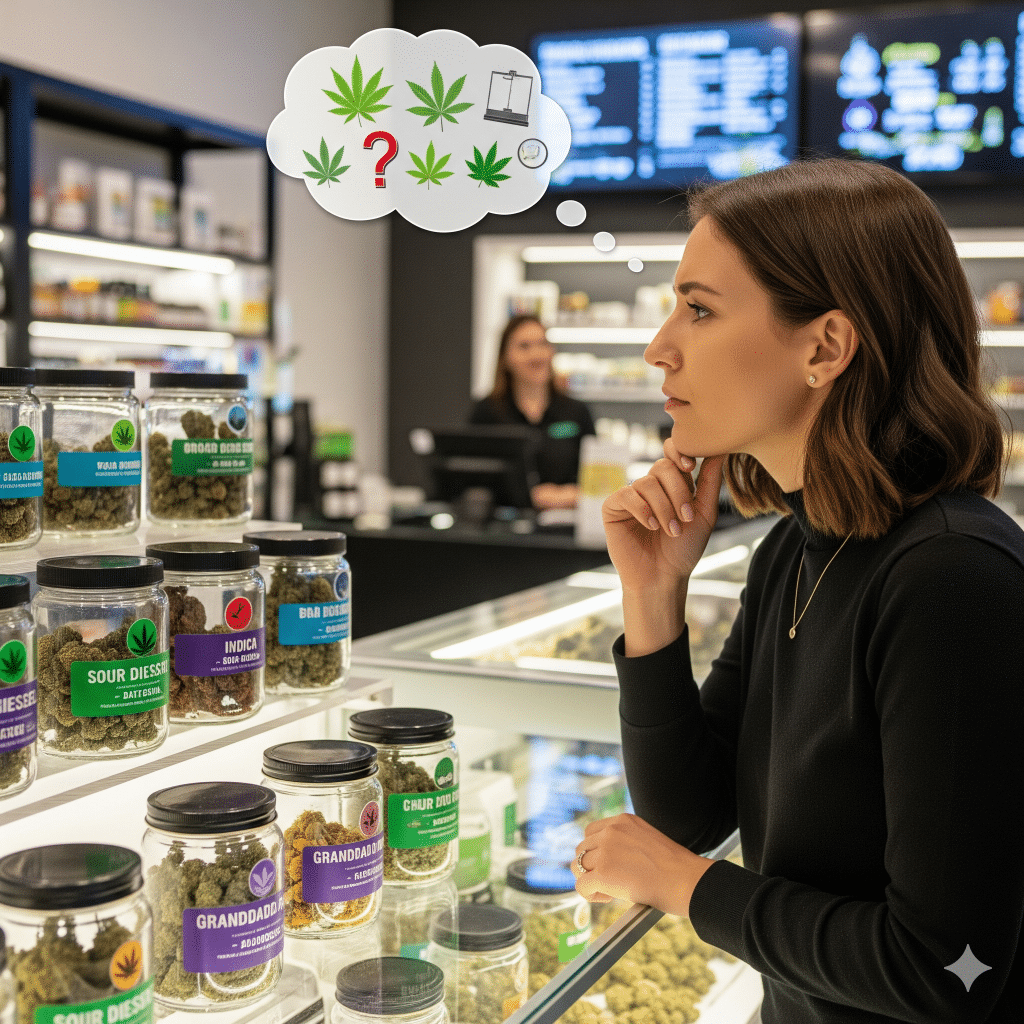
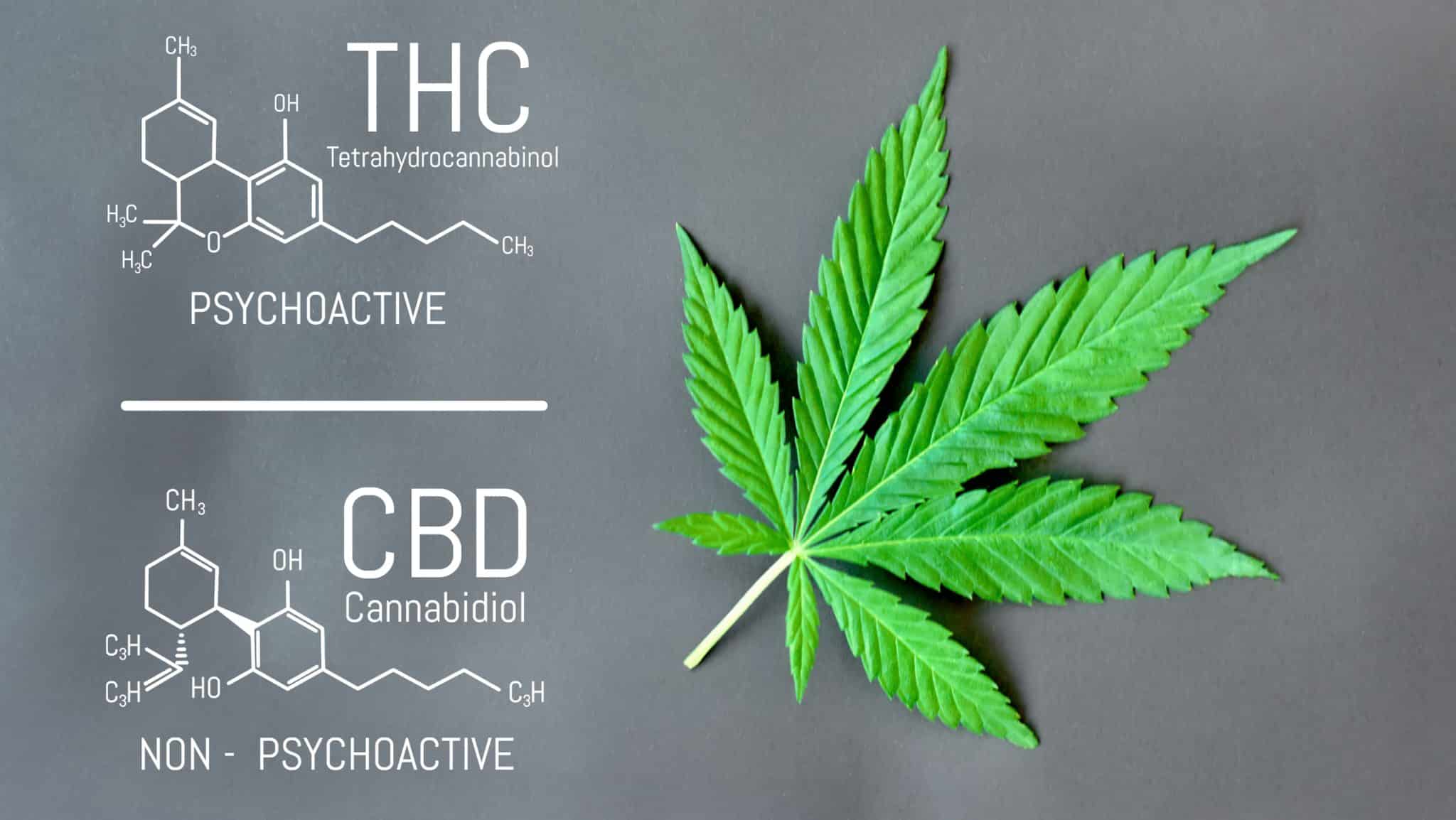
Cannabinoids are naturally occurring compounds found in the cannabis plant. These cannabinoids are the active ingredients in Cannabis sativa, the species that includes both hemp and marijuana plants. There are over 100 cannabinoids out there, but THC (tetrahydrocannabinol) and CBD (cannabidiol) are the two most famous members of the squad.
Hemp plants are a variety of Cannabis sativa with low THC content, while marijuana plants have higher THC levels. THC and CBD both interact with your endocannabinoid system (ECS): the body’s internal balancing system that regulates mood, sleep, appetite, memory, pain, and more. Although THC and CBD share the same molecular structure, their different atomic arrangements lead to different effects, especially regarding psychoactivity. In addition to THC and CBD, there are other cannabinoids present in the cannabis plant, and full-spectrum products may include these compounds for enhanced effects. THC and CBD speak different dialects when chatting with your ECS.
In this article, we’ll explore CBD vs THC to help you understand their differences and unique benefits.
THC: The Life of the Party
THC is the psychoactive component of cannabis. Its psychoactive properties are what get you high and produce feelings of euphoria. THC binds directly to the CB1 receptors in your brain, altering your perception, mood, and coordination. This is how THC affects the brain, leading to various effects such as:
- Euphoria
- Laughter fits
- Relaxation
- Increased hunger (munchies!)
- Altered time perception
- Enhanced creativity
- Or… an intense urge to reorganize your spice rack. We don’t judge.
THC’s ability to produce euphoria is linked to its potential for addiction. By affecting the brain’s reward system, THC can increase the risk of drug abuse and long-term consequences related to addiction.
Fun Fact:
The pharmaceutical form of THC, known as dronabinol, is federally approved to help reduce nausea and stimulate appetite in patients undergoing chemotherapy or with severe conditions like HIV/AIDS.
CBD: THC’s Chill Cousin
CBD is non-intoxicating but delivers significant benefits in other ways. CBD is less psychoactive than THC, which is one of the major differences between the two cannabinoids. It doesn’t bind directly to CB1 receptors; instead, it modulates multiple pathways, including those involving serotonin and vanilloid receptors (involved in pain and heat responses). CBD also interacts with the body’s immune system via CB2 receptors, which may help reduce inflammation and pain. There is growing awareness of CBD’s potential health benefits, leading to increased interest and use.
Users turn to CBD for:
- Anxiety relief
- Anti-inflammatory benefits
- Pain management
- Sleep support
- General zen
These differing effects of CBD and THC are due to their unique interactions with the endocannabinoid system.
Research Says:
A review in the Journal of Clinical Investigation found that CBD reduces inflammation and sebum production in skin, making it a potential acne treatment. Another study in Behavioral Neurology showed promise in reducing anxiety in both humans and animals.
THC vs. CBD: Key Differences at a Glance
| Feature | THC | CBD |
| Psychoactive | Yes | No |
| Euphoria/High | Yes | No |
| Legality | Regulated | Widely accessible |
| Medical Use | Pain, nausea, appetite | Anxiety, inflammation, and sleep |
| Drug Testing | Likely to show up | May show up in rare cases |
| Common Products | Flower, edibles, carts | Oils, creams, capsules |
When comparing CBD vs THC, what’s the difference? The major differences come down to their psychoactive properties—THC produces psychoactive effects and a high, while CBD does not. This distinction also impacts their legal status and medical uses.
The Entourage Effect: Better Together?
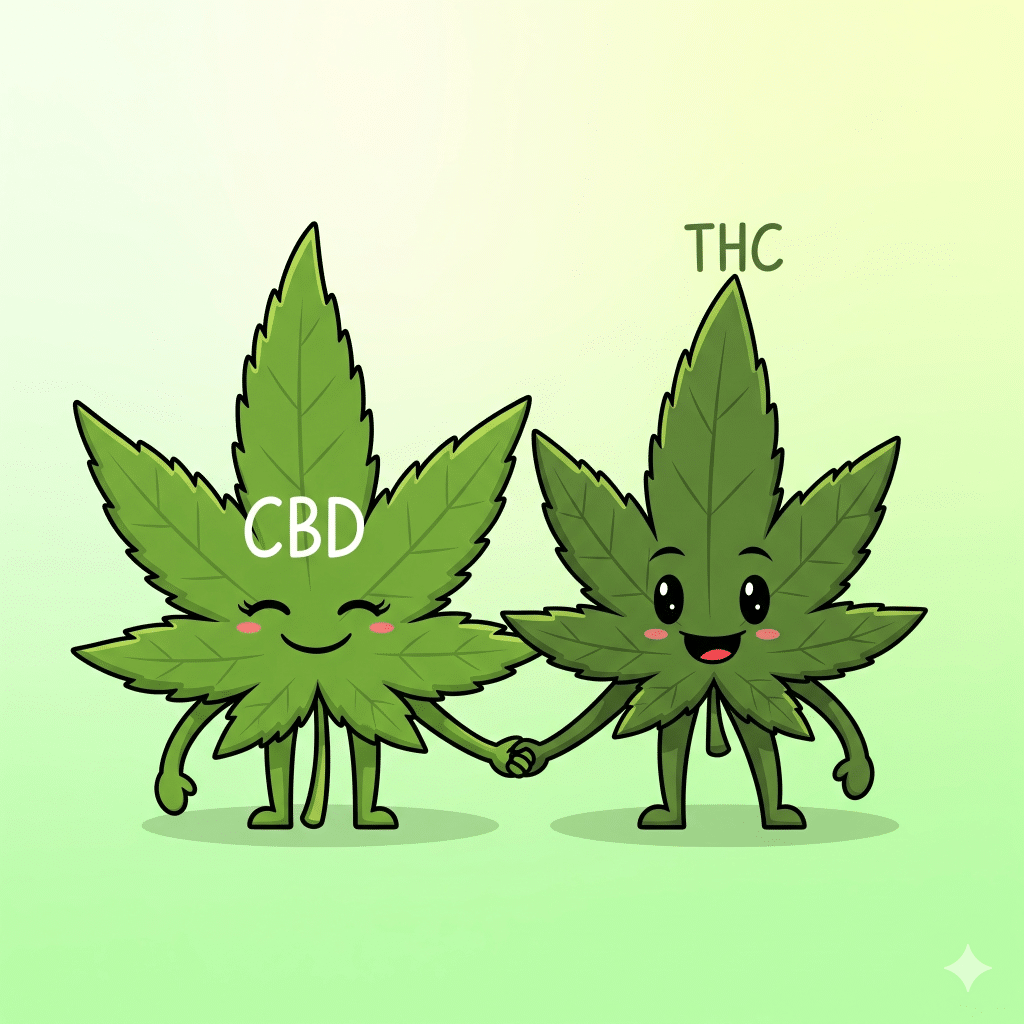
Here’s where things get spicy(or sweet?): some researchers believe THC and CBD work better together in what’s called the Entourage Effect. This theory suggests cannabinoids and terpenes amplify each other’s benefits when consumed together, and it involves not just THC and CBD, but also other cannabinoids present in the cannabis plant.
For example:
- CBD may reduce THC’s anxiety-inducing effects, creating a smoother high.
- High doses of CBD may further reduce the psychoactive effects of THC, and achieving sufficient amounts of each cannabinoid is important for optimal therapeutic outcomes.
- A 1:1 THC/CBD tincture may offer pain relief with a milder head buzz.
Many medical patients (and casual consumers alike) prefer balanced ratios for this very reason.
How to Choose Between THC and CBD
Ask yourself:
- Looking for pain relief without feeling stoned? → CBD-heavy product.
- Need a good night’s sleep with some light euphoria? → 1:1 THC:CBD.
- Trying to channel your inner Bob Ross? → Sativa with THC.
- Want to take the edge off a stressful day (and still handle emails)? → CBD.
Your ideal choice depends on your goals, tolerance, and lifestyle. And remember: there’s no shame in trial and error. That’s half the fun.
Legal Notes on Cannabis in Michigan
In Michigan, cannabis is legal for both medical and recreational use. Here’s what you should know:
- THC products are sold to adults 21+ with a valid ID. Potency is labeled and regulated. However, the federal government still classifies marijuana as a Schedule I drug, meaning it remains illegal at the federal level even though some states have legalized it.
- CBD products derived from hemp (with < 0.3% THC) can be sold over the counter, even at gas stations, though we recommend getting yours somewhere a bit more… curated (like our recreational dispensary in Memphis!). You can buy CBD legally in Michigan, but always check your own state laws before purchasing, as regulations vary. The FDA maintains that it is illegal to sell hemp-derived CBD as a dietary supplement, despite its legalization under the Farm Bill.
- You’ll also find hybrid products that combine both cannabinoids, clearly labeled by strain and ratio.
Cannabis Products to Explore
 Want to experiment? Here’s what you’ll find on our shelves:
🟩 CBD-Only Options
Perfect for daytime use, stress support, or topical application.
Try: Tinctures, bath bombs, lotions, or calming gummies.
🟥 THC-Dominant Goodies
Think full-bodied highs, party vibes, and that late-night giggle fest.
Try: Pre-rolls, dabs, infused chocolates, or vape carts.
🟨 Balanced THC: CBD Hybrids
Great for beginners or those seeking therapeutic effects without intense intoxication.
Try: Capsules, low-dose edibles, or 1:1 vape pens.
Note: Synthetic cannabinoids (like Spice or K2) are not the same as natural cannabis products and may have unpredictable or dangerous effects.
Frequently Asked Questions About THC and CBD
What is the difference between CBD and THC?
CBD (cannabidiol) and THC (delta-9-tetrahydrocannabinol) are two of the most well-known active ingredients, or cannabinoids, found in the cannabis plant. These active ingredients are responsible for the primary effects of cannabis products.
CBD and THC have the same molecular structure, but their atoms are arranged differently. This difference in atomic arrangement leads to markedly different effects in the body, despite their chemical similarity.
CBD is generally non-psychoactive, meaning it does not produce the “high” commonly associated with cannabis use. Instead, it is widely known for its calming and relaxing properties and is often used to support anxiety relief, focus, and overall wellness.
THC, on the other hand, is the psychoactive component responsible for the euphoric feeling or “high.” It interacts more strongly with the brain’s cannabinoid receptors and can affect mood, perception, coordination, and appetite.
Another major difference lies in their sources. CBD is often derived from hemp, a variety of cannabis containing less than 0.3% THC, while THC products are typically derived from marijuana, which contains much higher levels of THC.
Is CBD legal in the United States?
CBD legality in the United States depends largely on its source and the specific state laws governing cannabis products.
Hemp-derived CBD became federally legal with the passage of the 2018 Farm Bill, which legalized the cultivation of industrial hemp, defined as cannabis containing less than 0.3% THC. However, even though hemp-derived CBD is legal at the federal level, some states still impose restrictions or regulations on its sale and use.
CBD extracted from marijuana is treated differently. Because marijuana remains illegal under federal law, marijuana-derived CBD products are technically illegal at the federal level. However, some states have legalized these products under their medical or recreational cannabis programs.
Because laws vary significantly across states, consumers should always check local regulations before purchasing or using CBD products.
Is THC legal in the United States?
The legal status of THC is more complex than that of CBD. At the federal level, THC and marijuana are classified as Schedule I controlled substances under the Controlled Substances Act. This means that the federal government considers marijuana a Schedule I drug, or “i drug,” which is defined as having a high potential for abuse and no accepted medical use according to federal law.
Despite this classification, many states have legalized THC in some form. As of April 2023, 38 states and the District of Columbia allow medical marijuana use, meaning patients can access THC products with a physician’s recommendation or prescription. Several states have also legalized recreational marijuana use.
However, possessing THC in states where it remains illegal can lead to legal penalties, including fines or criminal charges. Because state and federal laws differ, it is essential to understand the regulations in your specific location.
What is the 2018 Farm Bill, and how did it affect CBD legality?
The 2018 Farm Bill significantly changed the legal landscape for hemp and hemp-derived products in the United States.
This legislation legalized the cultivation and commercial production of industrial hemp, which is defined as cannabis containing less than 0.3% THC by dry weight. As a result, hemp-derived CBD products became federally legal to produce and sell, provided they meet the THC limit.
However, the law did not create a completely unregulated market. The U.S. Food and Drug Administration (FDA) retains authority over CBD in food, dietary supplements, and therapeutic products. The FDA currently states that selling hemp-derived CBD as a dietary supplement is illegal without approval, which means the regulatory environment remains somewhat complex.
Does the FDA approve any CBD products?
Most CBD products available on the market today are not approved by the U.S. Food and Drug Administration (FDA).
The only FDA-approved CBD medication is Epidiolex, a prescription drug used to treat rare forms of epilepsy, including certain rare seizure disorders such as Dravet syndrome and Lennox-Gastaut syndrome. This approval demonstrates that CBD can have legitimate medical applications when properly studied and regulated.
In addition, another cannabis-based medication, nabiximols (Sativex), is approved in some countries to treat muscle stiffness and spasticity in multiple sclerosis.
Aside from Epidiolex, CBD oils, gummies, and other products are typically sold as wellness supplements rather than approved medical treatments. Because of this, consumers should approach CBD products cautiously and consider consulting a healthcare professional before using them for health purposes.
What are the potential benefits of CBD?
CBD is widely recognized for its therapeutic potential and is commonly used to support mental and physical wellness.
Many users report that CBD helps promote relaxation and reduces anxiety, making it popular among people dealing with stress or mood disorders. Studies suggest that CBD may help improve sleep quality by calming the nervous system.
In addition to its calming properties, CBD has shown promise as an antipsychotic and anti-inflammatory compound. Clinical studies have also demonstrated its effectiveness in treating specific seizure disorders, which led to the development of Epidiolex.
However, more research is still needed to understand the full range of CBD’s medical benefits fully.
Side effects from CBD can include gastrointestinal symptoms, such as diarrhea or reduced appetite.
What conditions is THC commonly used for?
THC is often used in medical cannabis programs for its therapeutic effects, especially in situations where CBD alone may not provide sufficient relief.
Doctors may recommend THC for patients experiencing chronic or severe pain. It is also commonly used to manage nausea and vomiting, particularly in patients undergoing chemotherapy. THC can stimulate appetite, making it useful for individuals experiencing appetite loss due to illness.
Additionally, THC may help improve sleep for individuals suffering from insomnia. It is also used to alleviate muscle stiffness and spasticity, especially in conditions like multiple sclerosis, with products such as nabiximols (Sativex®). Some research has also explored THC’s potential to inhibit the formation of amyloid-beta plaque in the brain, which is associated with Alzheimer’s disease, although this area requires further study.
Common side effects of THC include dry mouth, red eyes, and impaired coordination; high doses may cause anxiety and paranoia.
What are the possible side effects of THC?
While THC can provide therapeutic benefits, it can also produce several side effects.
Common short-term effects include dry mouth, red eyes, and impaired coordination. Because THC affects the brain’s perception and motor functions, users may also experience slowed reaction times.
In higher doses, THC can cause anxiety, paranoia, or panic in some individuals. Long-term or heavy use may contribute to negative psychiatric effects, particularly in people who are predisposed to mental health conditions. Around 30% of people who use marijuana develop an addiction, with a higher risk for those who start during adolescence. Long-term cannabis use can also cause amotivational syndrome, which is characterized by symptoms like depression and low motivation. Additionally, cannabinoids like THC and CBD are stored in the body’s fat and can show up on a drug test for several days or even weeks after use.
Because THC is psychoactive, its use should be approached cautiously and ideally under medical guidance.
Pro Tips from Your Buds at Mystic
- Start low, go slow, especially with edibles.
- Read labels like you’re studying for a pop quiz. The THC/CBD ratio matters.
- Ask questions! Our budtenders love a good convo and can match you to your perfect product.
- Stay hydrated!
- And lastly: don’t try to out-smoke your cousin Brodie from Cali. It won’t end well.
Final Thoughts
THC and CBD are like the peanut butter and jelly of cannabis: totally different but incredible when used the right way. Understanding how they interact with your body is the first step to making smarter, more enjoyable choices.
Whether you’re chasing calm, creativity, or just a better night’s sleep—there’s a cannabinoid for that.
Get Your THC & CBD Products from Michigan’s Best Cannabis Dispensary
Whether you’re team THC, curious about CBD, or still weighing your options, our knowledgeable budtenders are here to help you find your perfect https://ordermystic.com/memphis-mi-order-now/match.
Stop by, say hey, and explore Michigan’s top selection of high-quality cannabis products at Mystic Cannabis – Michigan’s Best Cannabis Dispensary